
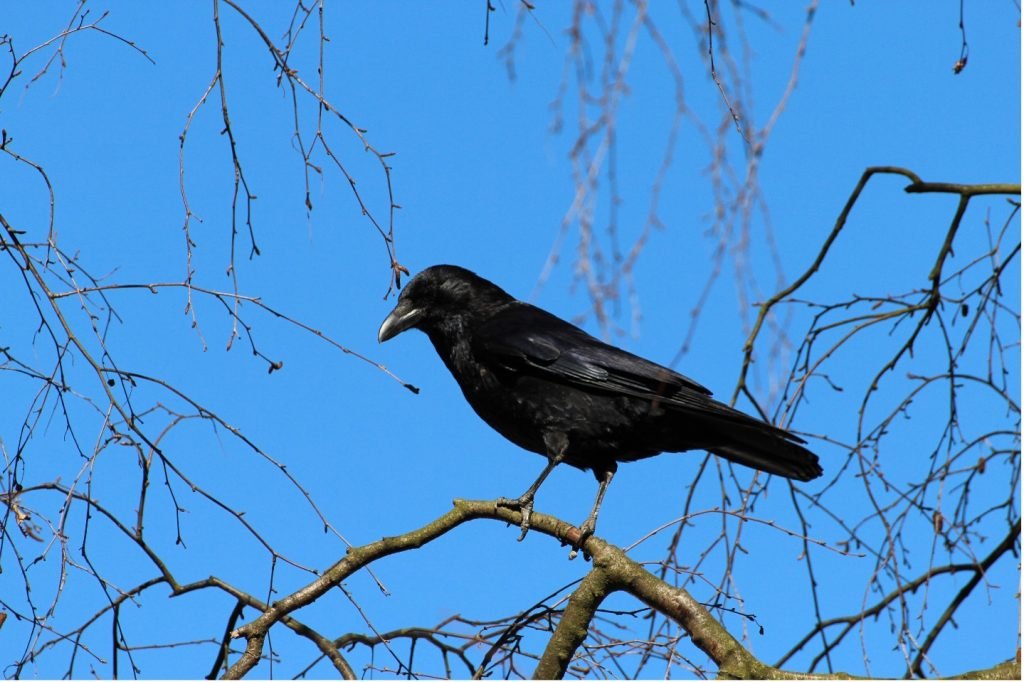
Ravens are large, black birds that are known for their intelligence and mischievous behavior. They are often considered to be agents of darkness and omens of misfortune, but they can also be playful and amusing. Ravens have been known to steal shiny objects, hide food in secret places, and play tricks on both animals and humans. In fact, their mischievous nature is one of the things that makes them so interesting to observe. If you’re lucky enough to spot a raven, take a moment to watch and see what it’s up to. You may just be entertained by one of these clever birds.
Ravens are known for their intelligence and mischievous nature. They are often observed playing tricks on other animals and even on humans. Ravens have been known to steal food from picnics and campsites, and they will also raid garbage cans in search of a tasty meal. In addition, ravens have been known to untie knots, open latches, and even dismantle tools. Their intelligence and curiosity often get them into trouble, but they are also fascinating to watch.
Ravens are fun-loving creatures that will entertain you with their antics, but you should always be careful when around them. They may not be afraid to steal your food or property if given a chance.
Ravens in Folklore and Literature
Ravens have long been considered to be a harbinger of death, and they are often depicted as dark and ominous creatures. In many folktales and myths, ravens are associated with death and the underworld. In some cultures, ravens are even thought to be the souls of the dead. They are also commonly associated with darkness and winter. Ravens also play an important role in J. R. R. Tolkien’s The Lord of the Rings trilogy, where they act as messengers for the wizard Gandalf.
However, there are also some positive depictions of ravens in folklore and literature. In Norse mythology, Huginn and Muninn are two Ravens who act as the eyes and ears of the god Odin, and in Chinese mythology, the Raven is a symbol of good luck. In more modern works, ravens have been associated with wisdom and intelligence; for example, the Raven in Edgar Allan Poe’s poem “The Raven” is a vehicle for grief but also represents the power of the human mind to transcend grief. These examples show that ravens can be seen as positive and negative symbols depending on the context.